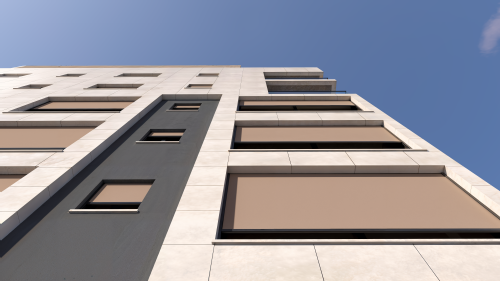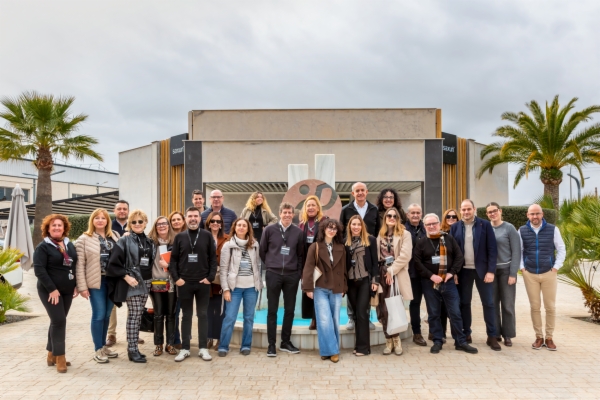



The user experience is the basis for creating a space of wellbeing, not only on a physical level, but also on a cognitive and sensory level. This is the challenge of the new architecture of wellbeing, capable of designing spaces that positively influence people's emotions and health. Controlling natural light is one of the basic elements when designing a comfortable space.
To learn more about the combination of design and wellbeing, we spoke with four architects and interior designers specialising in healthy and sensory architecture, who are convinced that another way of designing is possible.
They all agree on the importance of 'listening' before acting. Sonia Hernández-Montaño Bou, from Arquitectura Sana, emphasises that a healthy space is one that 'adapts to people's needs', in line with María Brotons from Casalinga Espacios con Alma, who tells us that the first thing to do is 'listen to and observe' the people who are going to inhabit that space, "what stimuli calm or overwhelm them, what environment gives them a sense of refuge and which ones promote their concentration and creativity and stimulate their sensory memories, in order to try to recreate them".
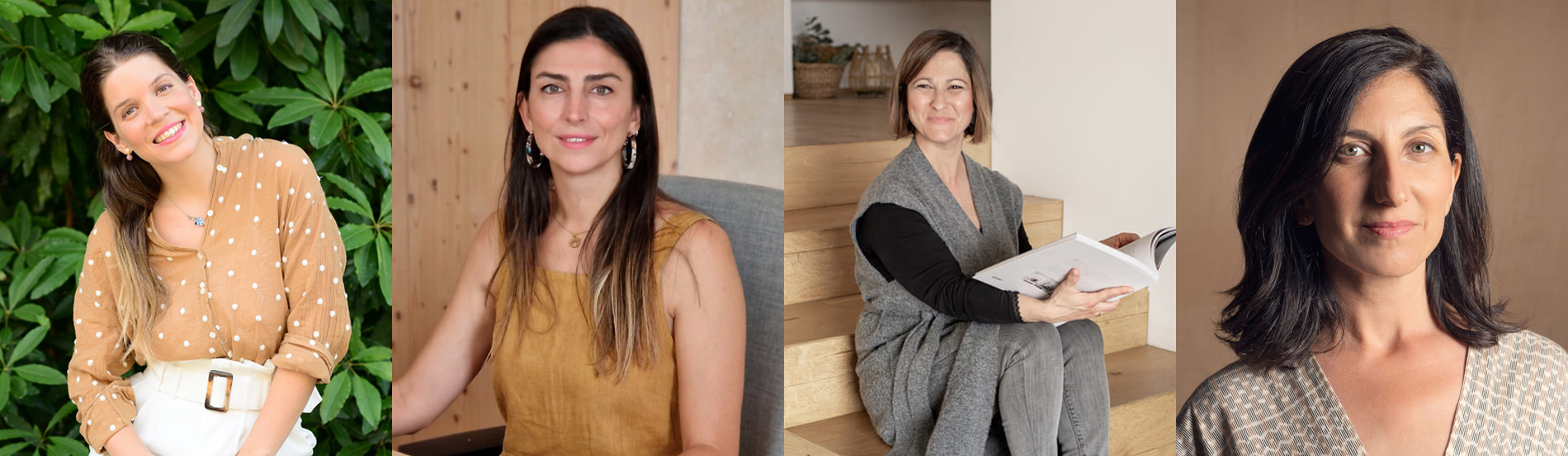
Del mismo modo, Beatriz Rubio, habla de “alinear el cuerpo, la mente y el entorno”. Desde Studio Azul realizan un cuestionario psicológico para conocer datos del subconsciente de las personas que van a habitar y vivir una estancia, quiénes son y qué necesitan.
Verónica Martín, from her interior design studio a-tipic biointeriors, is clear that designing for diverse realities is, above all, "a great act of empathy". "When we fully understand cognitive and sensory needs, the result is a coherent, functional, beautiful space with an underlying intention of well-being for all."
Light that calms
Among the different parameters that enable the creation of healthy spaces conducive to wellbeing, controlling natural light and sunlight is essential, in combination with other variables such as ventilation, lighting and acoustics.
"These are no longer aesthetic decisions, but rather key tools and objectives for wellbeing," according to María Brotons, who adds that "being able to adjust light is essential, because it is our primary regulator of circadian rhythm, sleep and wakefulness."
At the same time, understanding how we behave, feel and respond to stimuli is the basis for creating environments that promote the regulation of our parasympathetic system and bring us closer to nature, as highlighted by Beatriz Rubio, who emphasises the visionary phrase of the famous architect Antoni Gaudí: "The architect of the future will devote himself to imitating Nature".
Professionals such as Rubio work with natural and artificial light control to create workspaces that are "comfortable and efficient".
In the case of neurodivergent people, Verónica Martín emphasises that "an environment that can control light, noise and visual stimuli helps prevent sensory overload", something that is essential not only for neurodivergent people.
She stresses that "we must know how to filter natural light" and lists a series of solutions that can contribute to this, such as blinds, curtains and pergolas, as well as making use of warm light and indirect light.
As we have pointed out, light, temperature and ventilation are key factors in promoting healthy spaces. In this regard, Sonia Hernández advocates for the need to increase sun protection as a bioclimatic strategy in the Technical Building Code, to highlight the need to move forward in requesting construction criteria that allow for the design of spaces intended to protect us from heat, rather than cold, as we have done until now, "given the increase in temperatures we are seeing".
Conscious and healthy construction "does not have to be a luxury, it has to be a response for the existing social housing stock and for any type of community," adds Sonia Hernández.
 You may also like
Contact us, we will be happy to help you