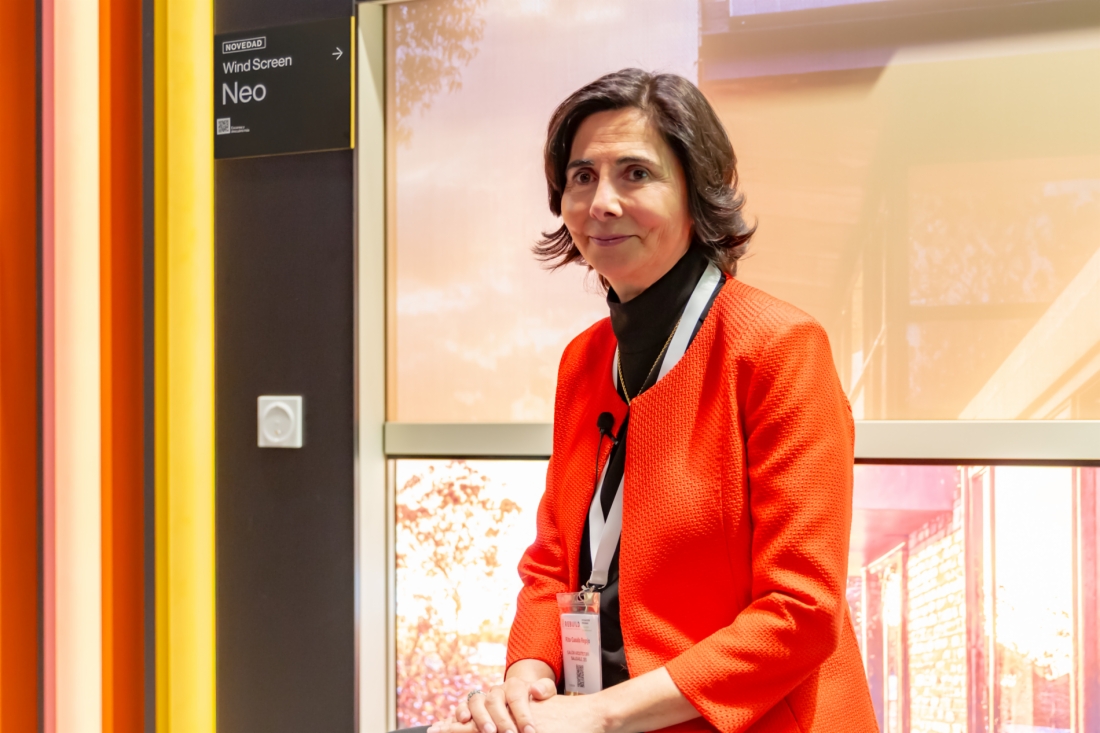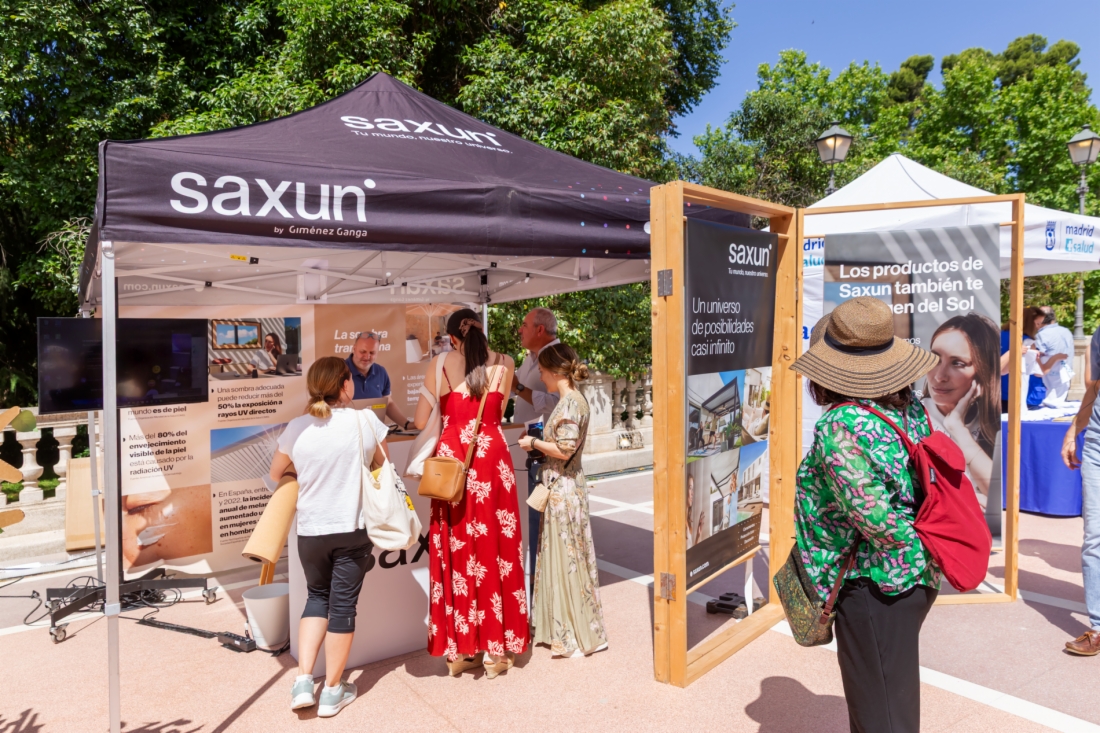



As part of the 3rd Healthy Skin Foundation Conference, we spoke to José Aguilera about research, public awareness and smart sun protection. A conversation aimed at helping us better understand our relationship with the sun and learn how to enjoy it in a healthy way, including through the design of the spaces we inhabit.
The sun is part of our lives. It encourages us to go out, to socialise, to enjoy the great outdoors and to experience our surroundings in a different way. But it also reminds us of something important: we must learn to live in harmony with it.
José Aguilera sums it up with a very simple yet powerful idea: it’s about learning to take it in the right measure. And that’s where the shadow has a lot to say.
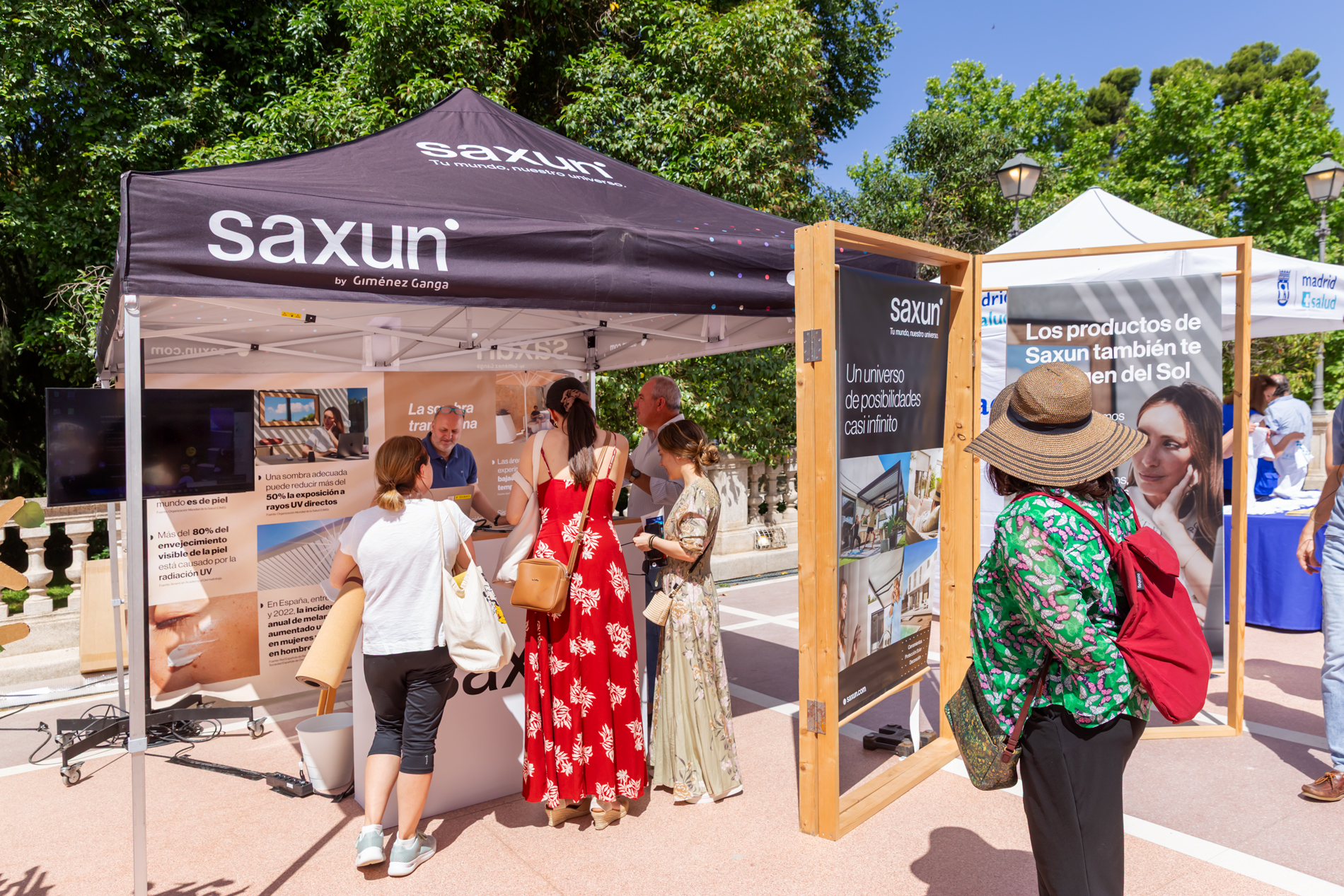
Q. What areas of research are you currently pursuing in the academic and research sectors with regard to sun protection?
A. We are an applied research laboratory, specialising in both basic and clinical science. Our team comprises a wide range of professionals: biologists, dermatologists and other specialists who bring a multidisciplinary perspective to our work.
For many years now, we have been a leading laboratory in research relating to the sun and the skin. Given that our work focuses on the sun and the skin, we inevitably have to talk about prevention. This is one of the key areas of our research: understanding how we can interact with the sun in a safer, healthier and more mindful way.
Q. What role does public engagement play in bringing these studies and insights to the public?
A. Research is essential from an academic perspective, but it cannot be confined solely to the laboratory or scientific conferences. It must reach the general public.
The message about sun protection must reach everyone: a mother, a brother, a cousin, a nephew and, above all, children. But it must be conveyed in a simple, clear and understandable way.
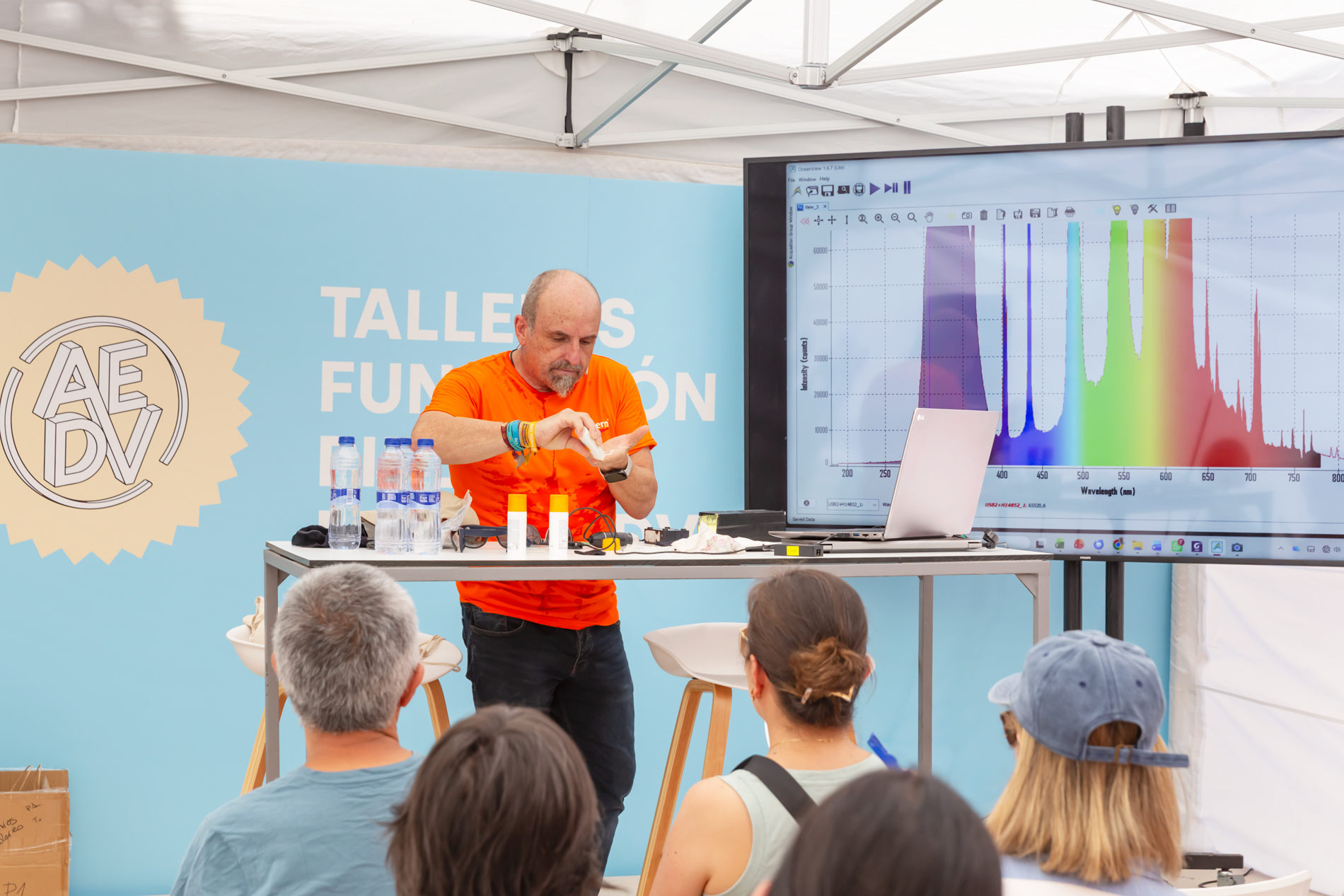
Q. What myths about the sun and sun protection should we dispel?
A. One of the big myths today is the idea that the sun is bad for you. The sun isn’t bad, and we shouldn’t demonise it. The important thing is to know how to make the most of it. The sun has beneficial effects, but it always depends on the amount of exposure, the time of day, how long you’re out in the sun, and the protection you use.
There is also a misconception that using sunscreen prevents the body from producing vitamin D, but this is not the case. If a person is going to spend more time in the sun, sunscreen helps to reduce damage without completely eliminating exposure. The key lies in the amount used.
Q. What is the real purpose of sun protection?
The aim of sun protection is to minimise the amount of harmful radiation we are exposed to as a result of overexposure.
It’s not about avoiding the sun altogether, but about enjoying its benefits whilst minimising the risks. Anything that helps us control the amount of radiation reaching our skin is part of a good protection strategy: clothing, shaded areas, awnings, parasols, fabrics, sunglasses, hats or suitable clothing.


José Aguilera, PhD in Photobiology and Medicine
Q. How has physical sun protection evolved in recent years?
Physical sun protection has always been around. In the past, many people who worked in the fields already knew that, when the sun came out, it was best to cover up with long sleeves. That was a form of physical protection based on experience.
Research is currently being carried out into new fabrics, new coatings and new structures to achieve more effective protection. The aim is to ensure that the amount of solar radiation we receive is sufficient to reap its benefits, whilst at the same time minimising the harmful effects.

Q. How is sun protection incorporated into the design of spaces and architecture?
Sun protection is playing an increasingly important role in the design of cities, buildings and outdoor spaces.
We are currently working alongside architects and professionals who design cities to incorporate both natural and artificial shading structures. Where it is not possible to incorporate natural elements, artificial solutions are being actively developed.
Architecture has a lot to offer in this regard. Designing sheltered, comfortable and well-thought-out spaces enables people to continue enjoying the outdoors with greater safety and comfort.
Q. How can we enjoy the sun in a healthy way?
We have to live with the sun and learn to enjoy it in a mindful way. Children need to go out for break time, play in the park, take part in after-school activities and socialise outdoors. The aim is not to prevent them from enjoying the outdoors, but to protect them from the outset.
To achieve this, we need to seek out pleasant shaded areas, adopt protective habits from an early age and understand that sun damage accumulates over a lifetime. Over time, this excessive exposure can lead to dark spots, skin ageing, immune system disorders and, above all, skin cancer.
Enjoying the sun in a healthy way means doing so sensibly.
 You may also like
You may also like
You may also likeContact us, we will be happy to help you