

Healthy architecture invites us to look at spaces in a different way. Not just as places we live in, but as environments that influence our well-being every day.
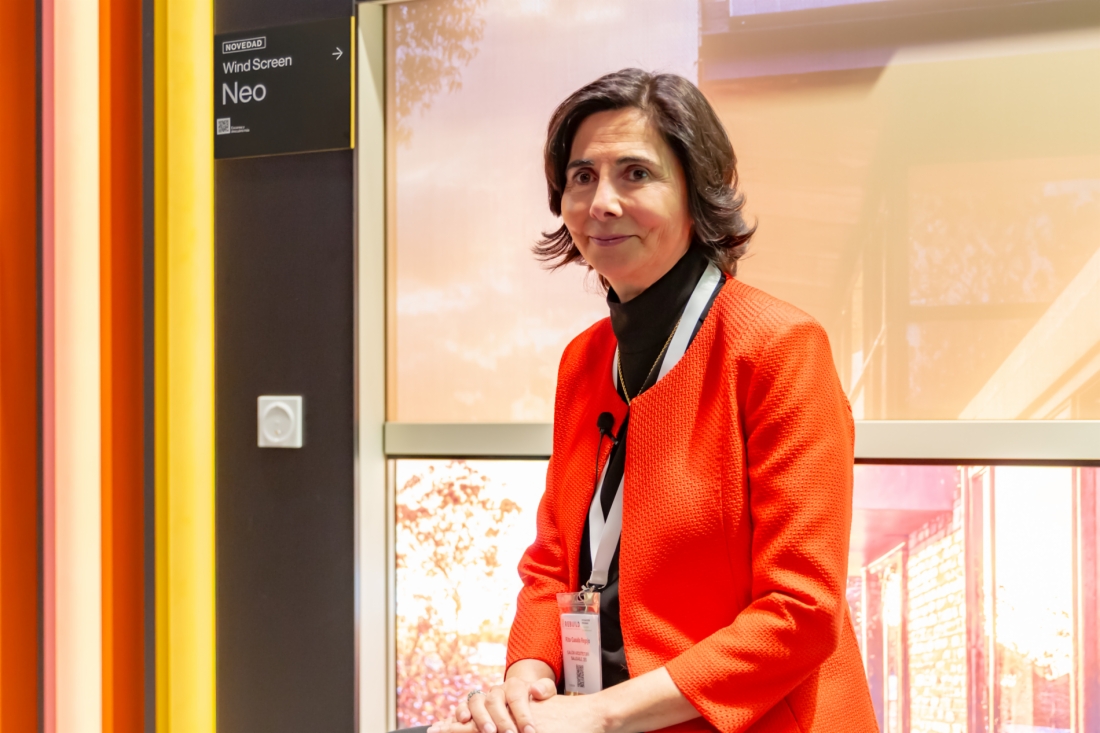
At Saxun, we spoke to Rita Gasalla, an architect, CEO of Galöw Arquitectura Saludable and chair of the Observatory of Healthy Architecture, to explore the role of natural light, solar control, renovation and regulations in the future of buildings.
In this interview, we discuss:
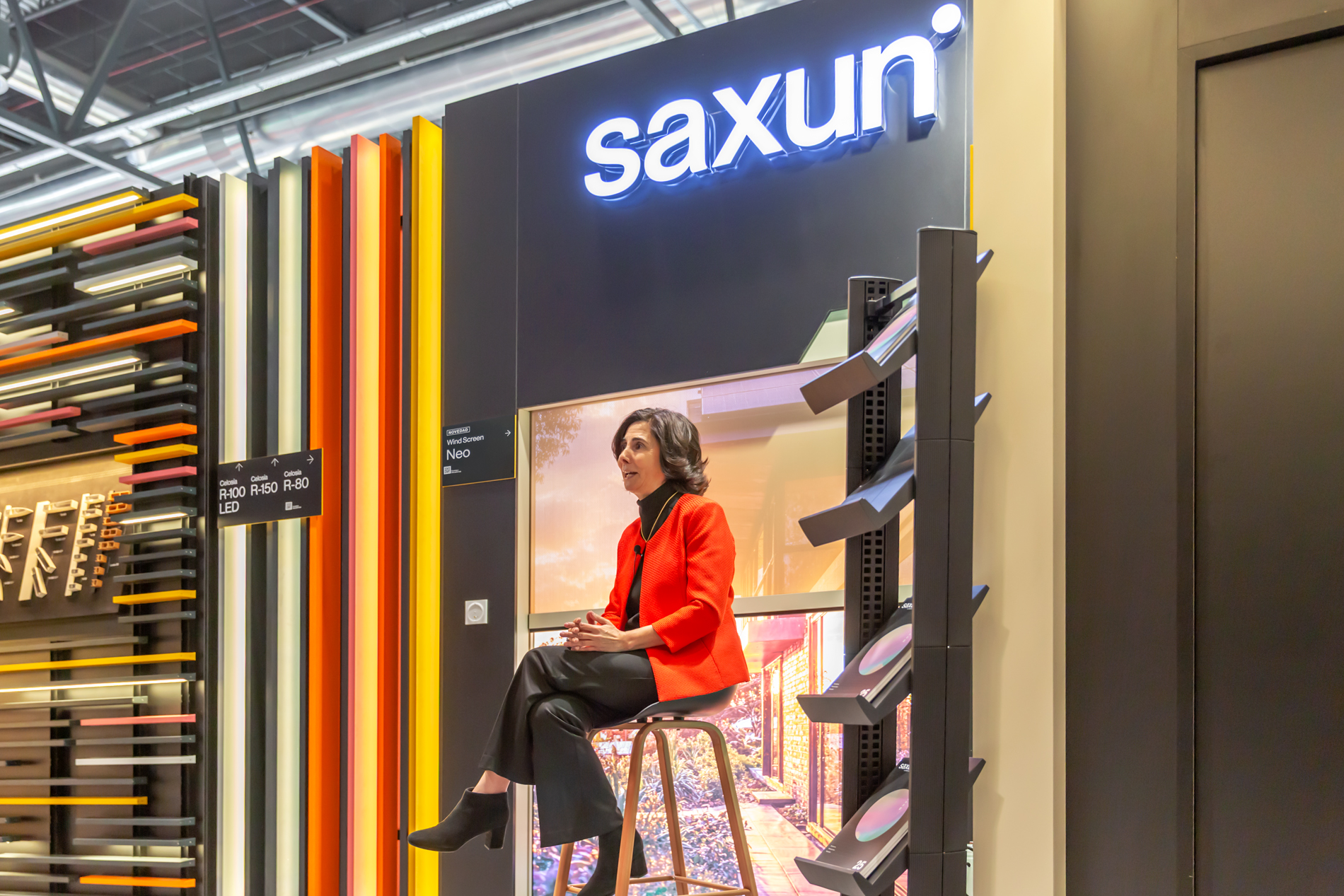
Q. What is the role of the Observatory of Healthy Architecture?
A. One of our main tasks is to spread the message about how architecture and spaces can influence people’s well-being. We want society to be aware of this reality and to demand it. Only then will we be able to make much faster progress and ensure that, in the future, no one has to wonder whether a space is healthy or not: it simply will be.
We also carry out institutional work. We try to raise awareness among public authorities so that they understand just how important it is to introduce regulations that promote health in buildings. This regulatory change is necessary so that we can all operate within the same framework.
And, of course, we are working to raise awareness among other professionals in the field of architecture and our sector, so that they too can become part of this major transformation that healthy architecture represents.
Q. How do spaces affect people’s health?
A. Spaces affect our health. They are not neutral. Air quality, light quality – in which you are specialists – acoustic quality, the impact of electromagnetic waves, water… Everything around us affects our well-being.
We refer to the environment, the space and the buildings around us as our ‘third skin’. And they really do have a huge influence on us. What’s more, it’s not just about what we see. We are multisensory beings, and space affects all our senses.
Q. What role does renovation play in the future of healthy architecture?
A. Renovation is our biggest challenge. New homes will be built, yes, but when we talk about renovation, we are talking about a huge number of existing homes. Our ability to renovate all those that need it remains to be seen, but the important thing is that whatever we do renovate, we do so by incorporating health criteria.
In the future, we might find ourselves in spaces that are environmentally sustainable, but which end up making us ill. And that would be a real shame.
That is why we must capitalise on this momentum for regeneration to incorporate health criteria from the outset.
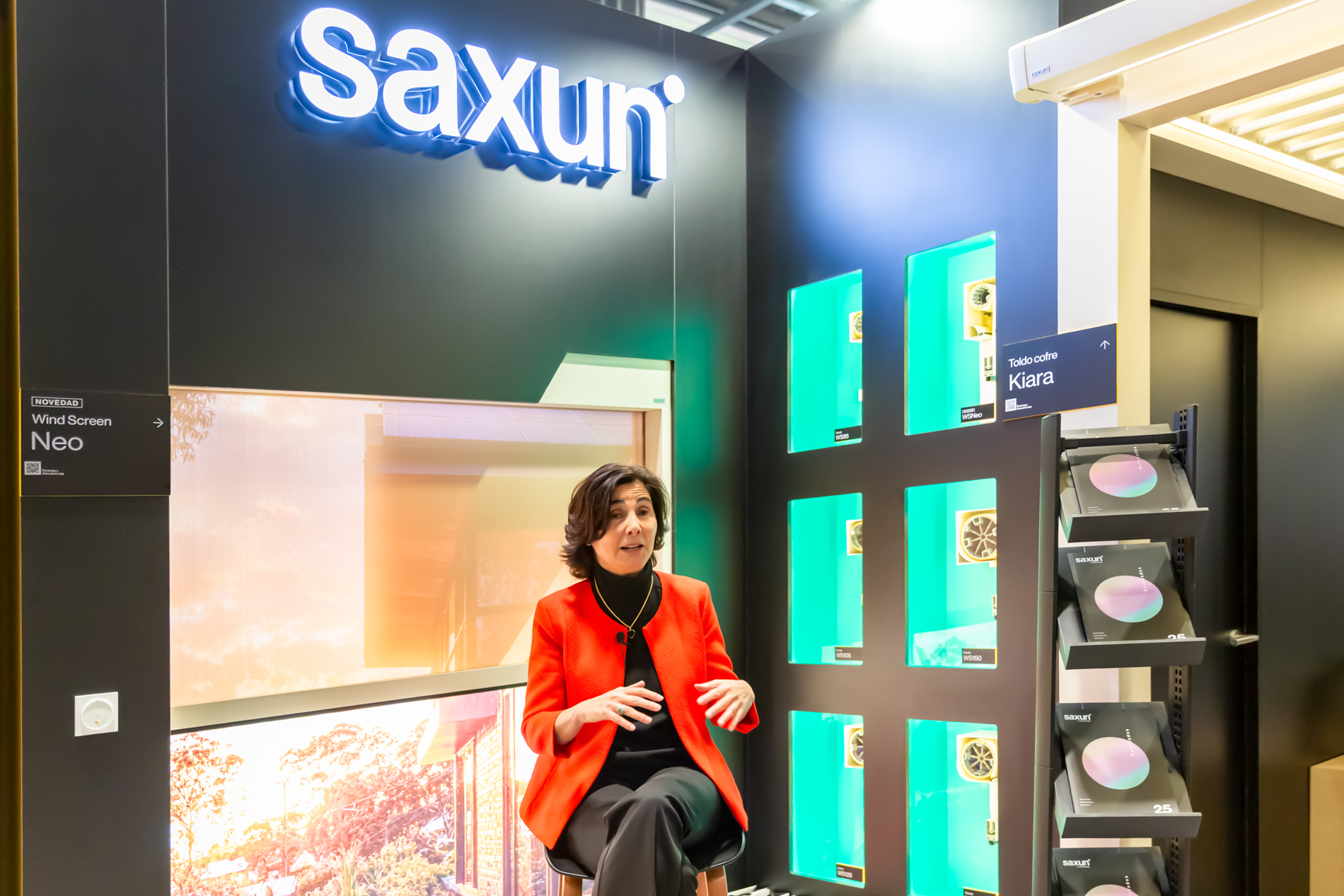
Q. Why is natural light so important in buildings?
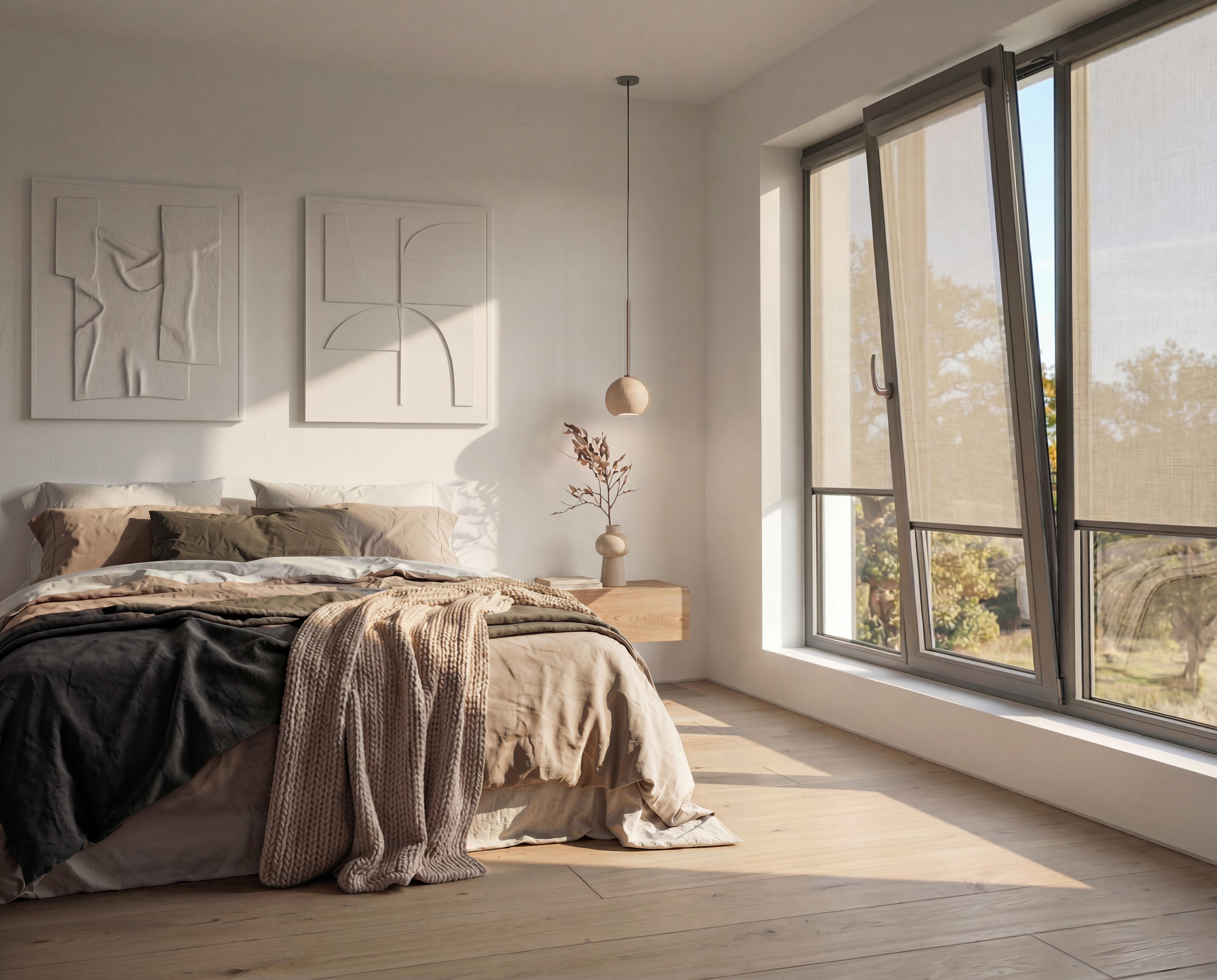
A. It is essential that we are able to control the amount of light that enters, but it is also essential that sunlight enters the buildings.
The Sun sets our circadian rhythms, which are the rhythms we have evolved to follow. However, it is only in the last 250 years or so, since the Industrial Revolution, that we have been spending much of our lives indoors.
We’re called the ‘indoor generation’, but evolutionarily speaking, we haven’t had time to adapt to this indoor lifestyle. That’s why it’s so important to let sunlight into buildings and ensure spaces are sunny, whilst also controlling how much light enters and the quality of that light.
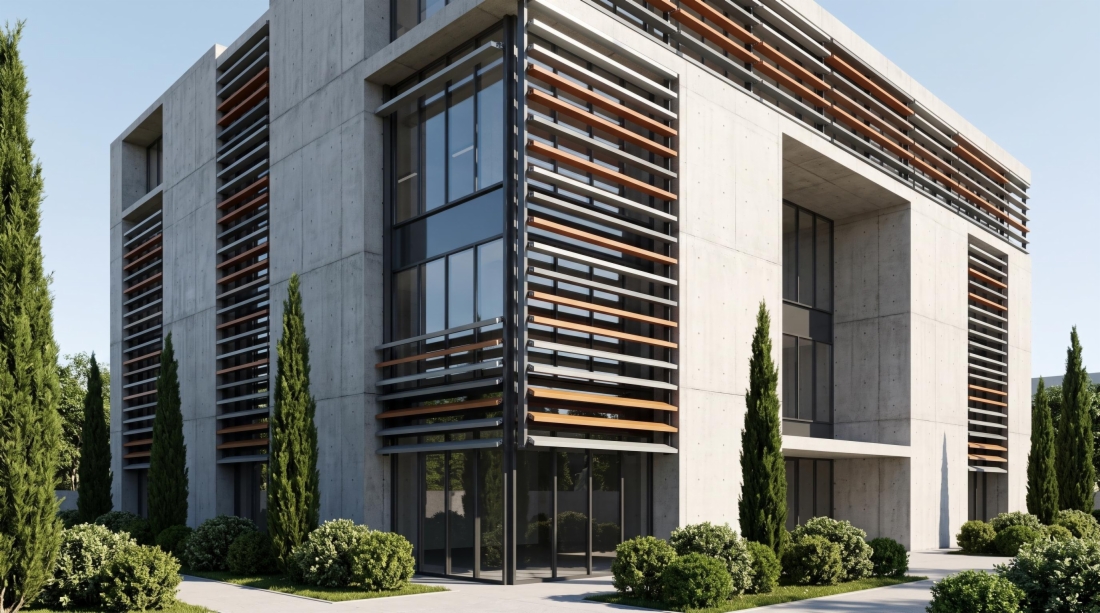
This is where solar control systems are essential: from shading provided by canopies and external features to interior solar control. And, of course, automation is also essential. Some people who are more health-conscious may be careful to control how much sunlight enters their homes, but if we let it happen automatically, we’ll ensure just the right amount of sunlight gets in. And that will do us a world of good. It won’t just be efficient; it’ll be healthy too.
Q. Why should solar control be incorporated right from the start of the project?
A. It is essential to coordinate solar control within the project, including in BIM, because otherwise we may not be able to find the right space to incorporate it later on.
The great advantage of BIM is the exceptional coordination of all elements. It provides us with greater certainty and a higher standard of quality when constructing buildings.
Failing to incorporate solar control systems from the outset results in a loss of quality in the construction work. This means decisions have to be made at the last minute, and sometimes these cannot be made with the care or to the standard we would like because they have not been integrated into the project.
That is why it is so important for architects to incorporate, right from the outset, both solar control criteria and all other aspects of healthy architecture that benefit our future well-being. All of this must be taken into account right from the start of the project.
Q. How should regulations evolve to incorporate well-being into buildings?
A. At the Observatory, we are working to influence regulations and ensure that welfare issues are included in the legislation.
The Technical Code is the reference used by architects and engineers involved in the construction process when drawing up plans. That is why it is essential that it covers all aspects relating to well-being.
Standards must continue to evolve and become increasingly stringent, until the point is reached where nobody questions, when commissioning a building or a home, whether that space will be healthy.
It shouldn’t be necessary to seek out an architect specialising in healthy architecture to find these criteria reflected in a project. It should be a mandatory requirement.
Ideally, anyone moving into a new or renovated home should know that the space is healthy, that it looks after them, that they will feel at ease there, and that they will sleep well.
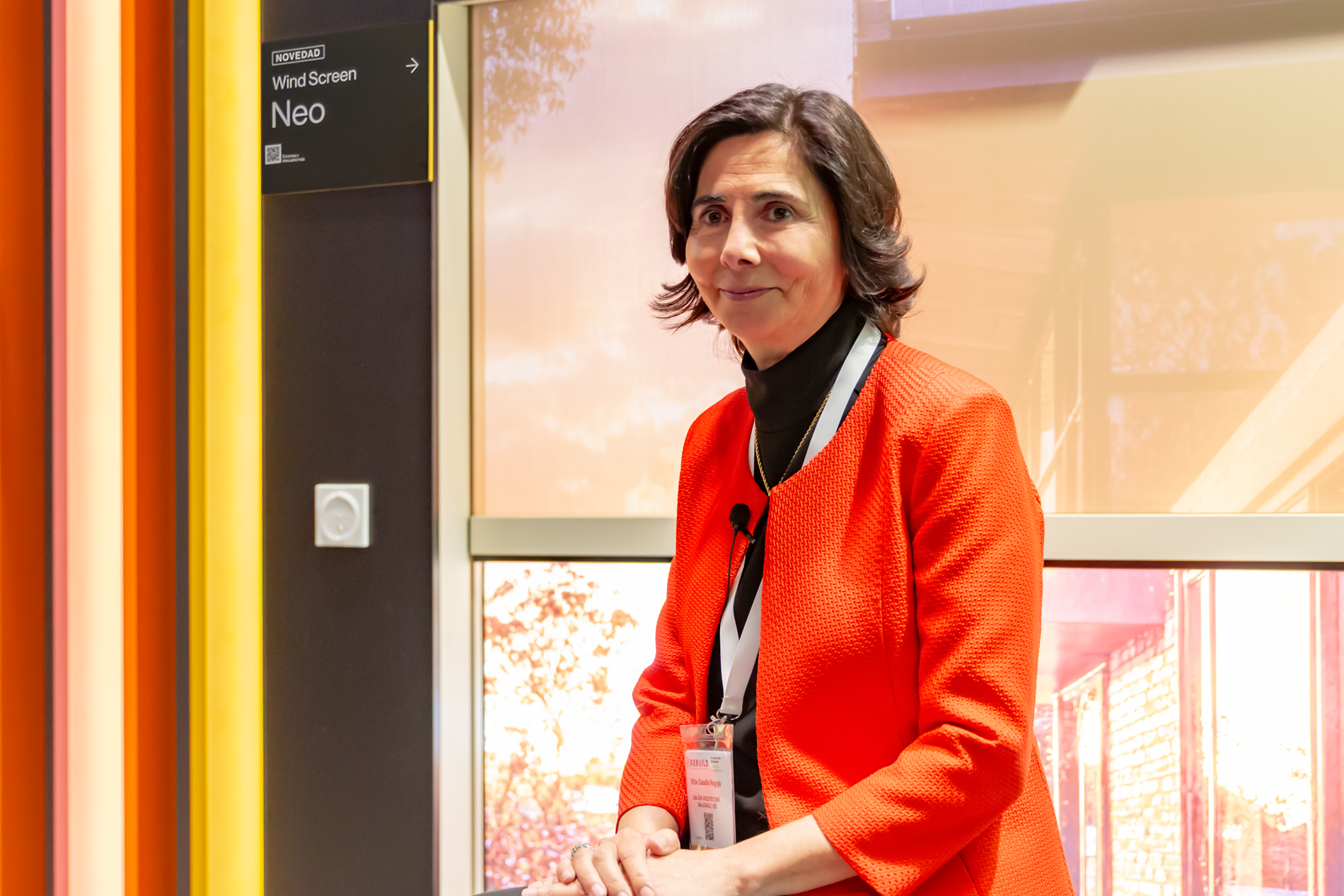
Q. Is there growing demand for healthy architecture?
A. There’s no doubt that demand is growing. More and more architects are now specialising in healthy architecture. At Galöw, we are proud to be pioneers in this field. We are also the founders of the Healthy Architecture Observatory and have had a deep understanding of healthy architecture for over twenty years.
We have a proven track record of understanding how this affects people’s health, well-being and performance.
We are seeing how regulations are evolving and how society is increasingly demanding this type of architecture. An architecture that not only has an impact on the environment, but also on people – on the end user.
When we talk about sustainability, we are also talking about how that sustainability affects health. And when we talk about healthy architecture, we are talking directly about how spaces affect the people for whom we design them.
For example, a child’s ability to concentrate is different when they are exposed to direct sunlight than when that light is suitably filtered.
Our conversation with Rita Gasalla reminds us that every positive decision has an impact on the way we live.
Light, air, temperature, acoustics and solar control are not isolated details. They are part of a whole range of factors that can transform a space into a more comfortable, efficient and healthy environment.
At Saxun, we create spaces designed to enhance living environments through sun protection, glazing and décor solutions that help regulate light, control temperature and allow you to enjoy your indoor and outdoor spaces for longer.
Because when a space is tailored to people, it also enhances their experience of it.
 You may also like
Contact us, we will be happy to help you