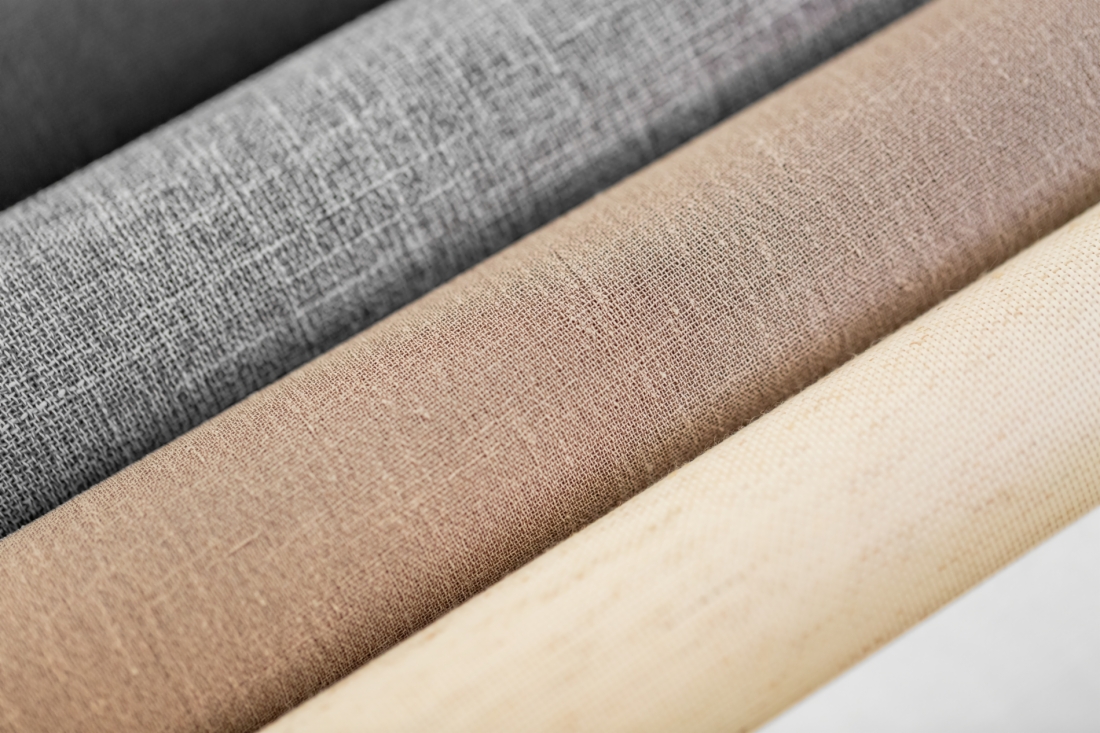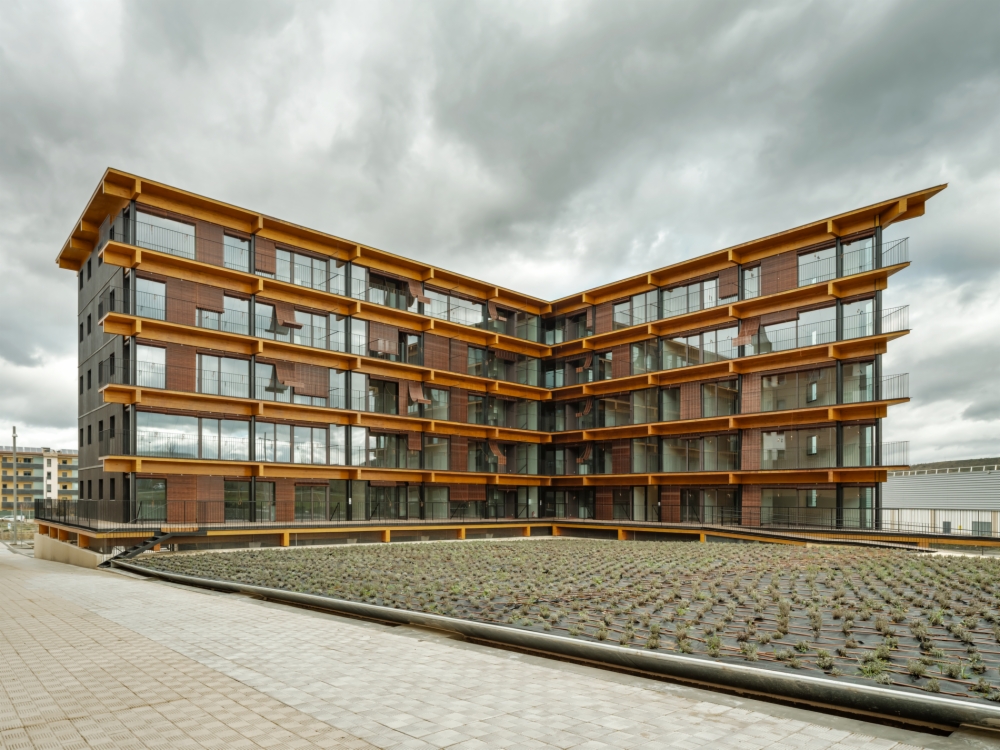



Summer is a time to make the most of the light, terraces, open windows and outdoor spaces. But when the heat really sets in, that very same light can become a problem inside the home, in an office or in commercial premises: overheated rooms, glare, uncomfortable nights and an ever-increasing reliance on air conditioning.
Sun protection in summer helps precisely in this regard. Before resorting to active cooling systems, it is advisable to control the amount of sunlight entering the building. It is a simple and effective way to improve comfort, reduce energy consumption and prepare buildings for increasingly challenging summers.
The International Energy Agency has already pointed out that energy demand linked to cooling could become one of the major challenges of the coming decades if it is not managed properly. The growing use of air-conditioning units means higher electricity consumption, higher costs for households and businesses, and greater pressure on the energy system.
In Spain, AESSO, the Spanish Association of Shading and Dynamic Solar Control Companies, It works to raise awareness of the role of solar protection in modern building design. Its work helps to highlight an increasingly important concept: shading is not merely a decorative extra, but a practical solution for improving thermal comfort, reducing overheating and moving towards more efficient spaces.
This vision ties in with the international Global Shading Day initiative, an event held every year on 21 March, which aims to raise awareness of the benefits of shading: reducing energy consumption, improving indoor well-being and creating buildings that are better equipped to cope with climate change.
As a founding member of AESSO, here at Saxun we share this vision, drawing on our expertise in sun protection, building envelopes and solutions for transforming spaces. Because controlling the amount of sunlight entering a space does not mean living with less light, but rather enjoying it more fully: with greater comfort, greater efficiency and greater freedom to adapt each space to the way you live.
To find out more about the initiative, you can visit its official website: www.globalshadingday.com
Heatwaves are becoming increasingly frequent and intense in many parts of Europe. The rise in the use of air conditioning is an understandable response, but it also brings new challenges: higher electricity demand, higher costs and greater pressure on energy systems.
This is where shading comes into its own. It does not compete with air conditioning; rather, it complements it and, in many cases, reduces the need for it. It is a passive, efficient measure that is closely linked to bioclimatic architecture: first protect, then cool only when necessary.
Thinking about sun protection is no longer just a matter of short-term comfort. It is a way of preparing homes, offices, hotels, restaurants and public buildings for more extreme weather, without compromising on design or the enjoyment of natural light.
When a room gets too hot, air conditioning seems like the quickest solution. And often it is. But it shouldn’t always be the first option.
Shading has an immediate effect. It reduces direct sunlight on windows, façades, terraces and glazed areas. In other words, it helps prevent heat from building up inside the space.
This difference matters. An awning, a roller blind, a technical curtain, a blind or a well-chosen external sun protection solution does more than just provide shade. It also helps to create more pleasant environments, protects against glare and allows you to make better use of natural light without being overwhelmed by it.
At Saxun, we know this only too well: light and the sun are an integral part of how we experience our spaces, but being able to control them completely transforms our daily experience.
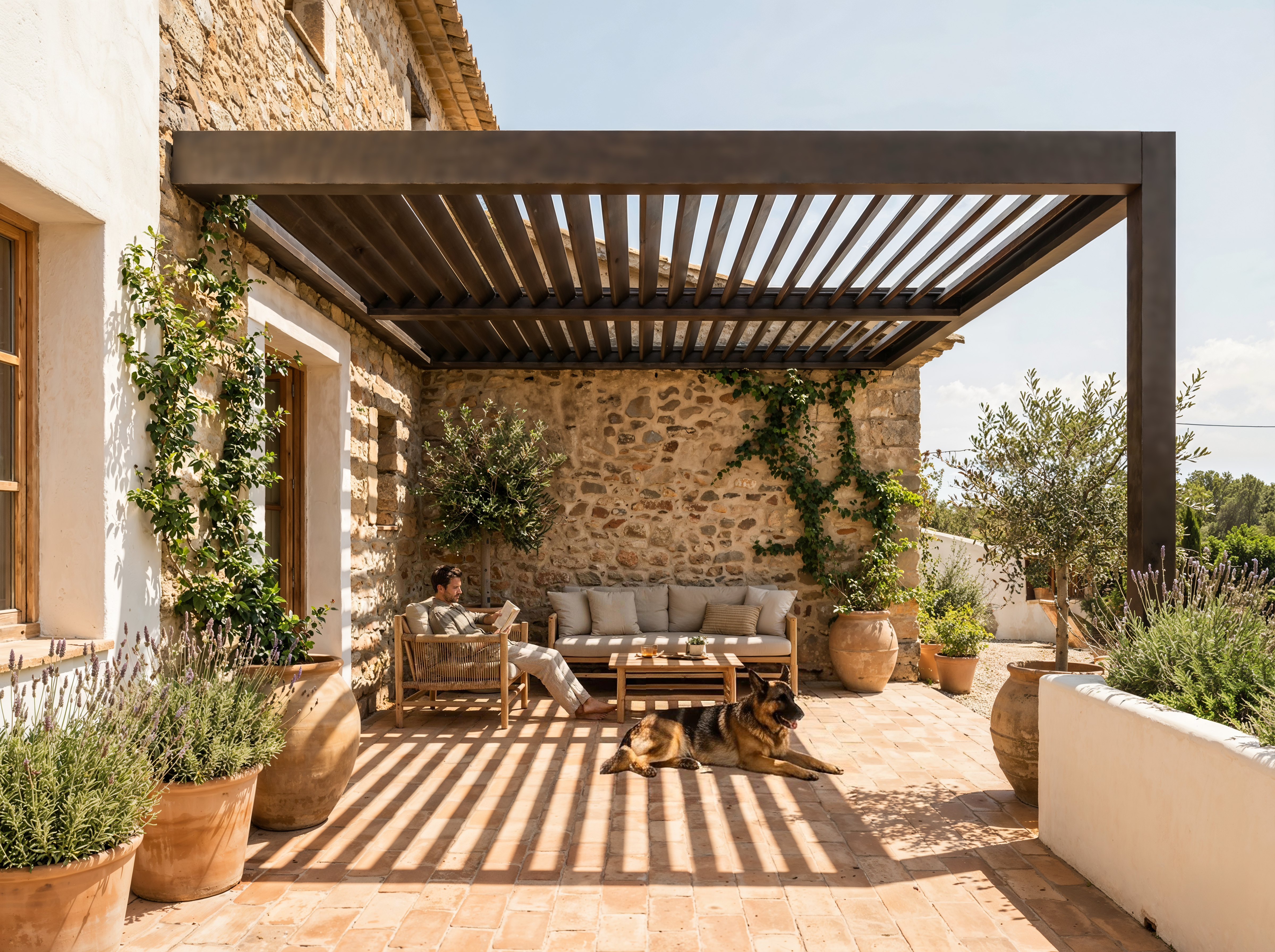
Using shade to protect against the heat is nothing new. It has been a feature of Mediterranean architecture for centuries: courtyards, latticework, shutters, eaves, awnings, and so on. What has changed is the precision with which we can now control that protection.
Modern materials, technical fabrics, motorised systems and automation make it possible to adapt shading to different times of day. We do not need the same level of protection first thing in the morning as we do on a façade exposed to the afternoon sun. Nor do a home, a restaurant terrace or a workspace behave in the same way.
A good shading strategy can have an impact on various aspects of daily life. It’s not just about bringing the temperature down by a few degrees. We’re also talking about rest, eye health, efficiency and quality of life within these spaces.
Less heat inside the building
External sun protection is particularly effective because it blocks a large proportion of the radiation before it passes through the glass. This reduces overheating inside the building and improves the thermal comfort during the hours of greatest exposure.
Less reliance on air conditioning
If a space heats up less, it requires less active cooling. This can help to reduce energy consumption, particularly in buildings with large glazed areas, exposed terraces or façades that are heavily exposed to the sun.
More rest and wellbeing
It’s difficult to sleep in a room that’s too hot. It’s also difficult to work, concentrate or eat comfortably in an overheated space. Controlling the sun helps to maintain more stable indoor temperatures, something that’s particularly noticeable during heatwaves.
Less glare
Direct sunlight can cause visual discomfort, eye strain and headaches, particularly in workplaces, lounges, canteens or areas with screens.
Curtains, blinds, shutters and textile solutions allow you to filter the light without sacrificing it. The aim is not to darken the room completely, but to find that balance where the room remains bright, yet is much more comfortable.
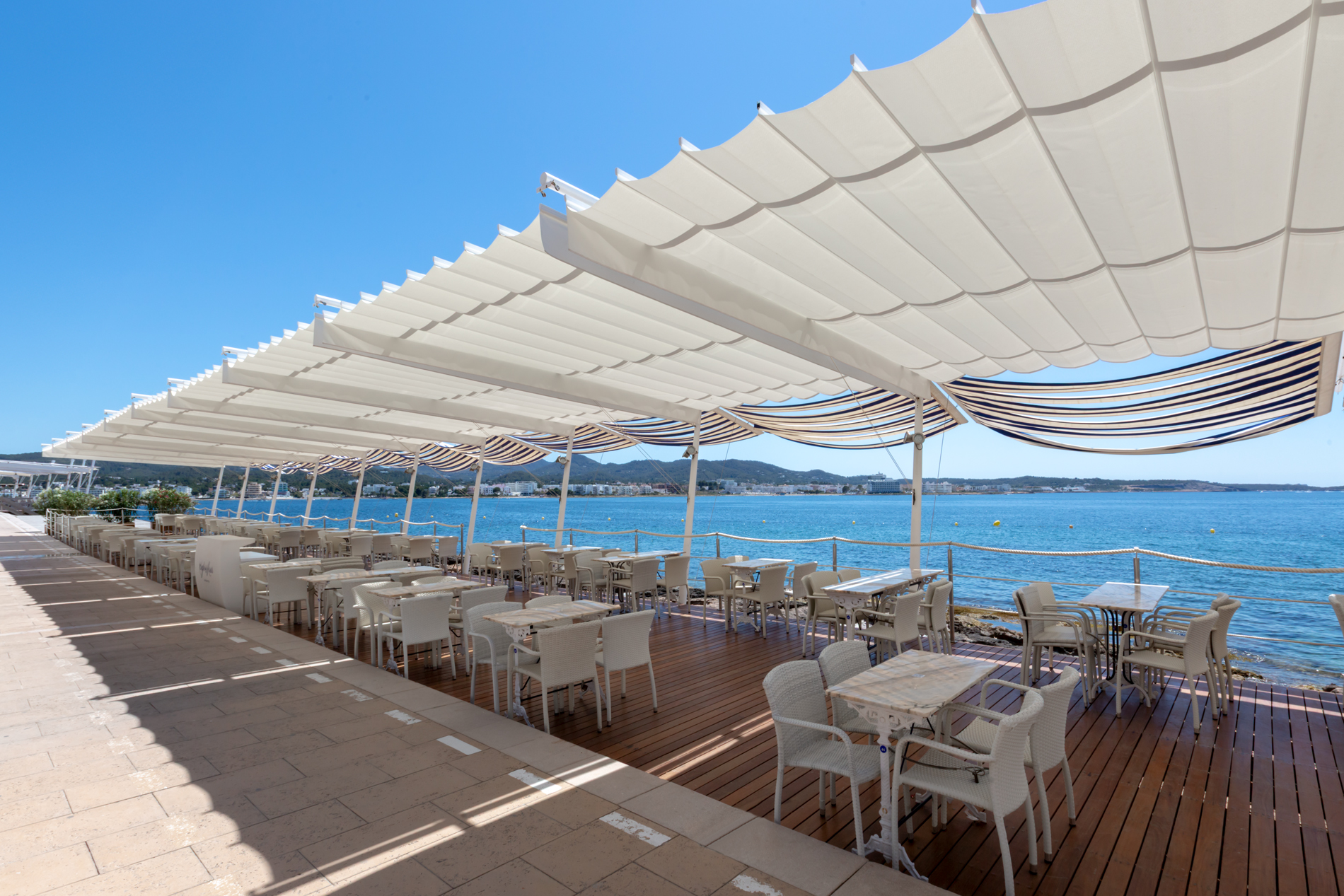
Every space has its own relationship with light. A south-facing terrace does not have the same requirements as a bedroom, a glazed façade or an outdoor dining area. For this reason, sun protection should be chosen with the actual use of the space in mind.
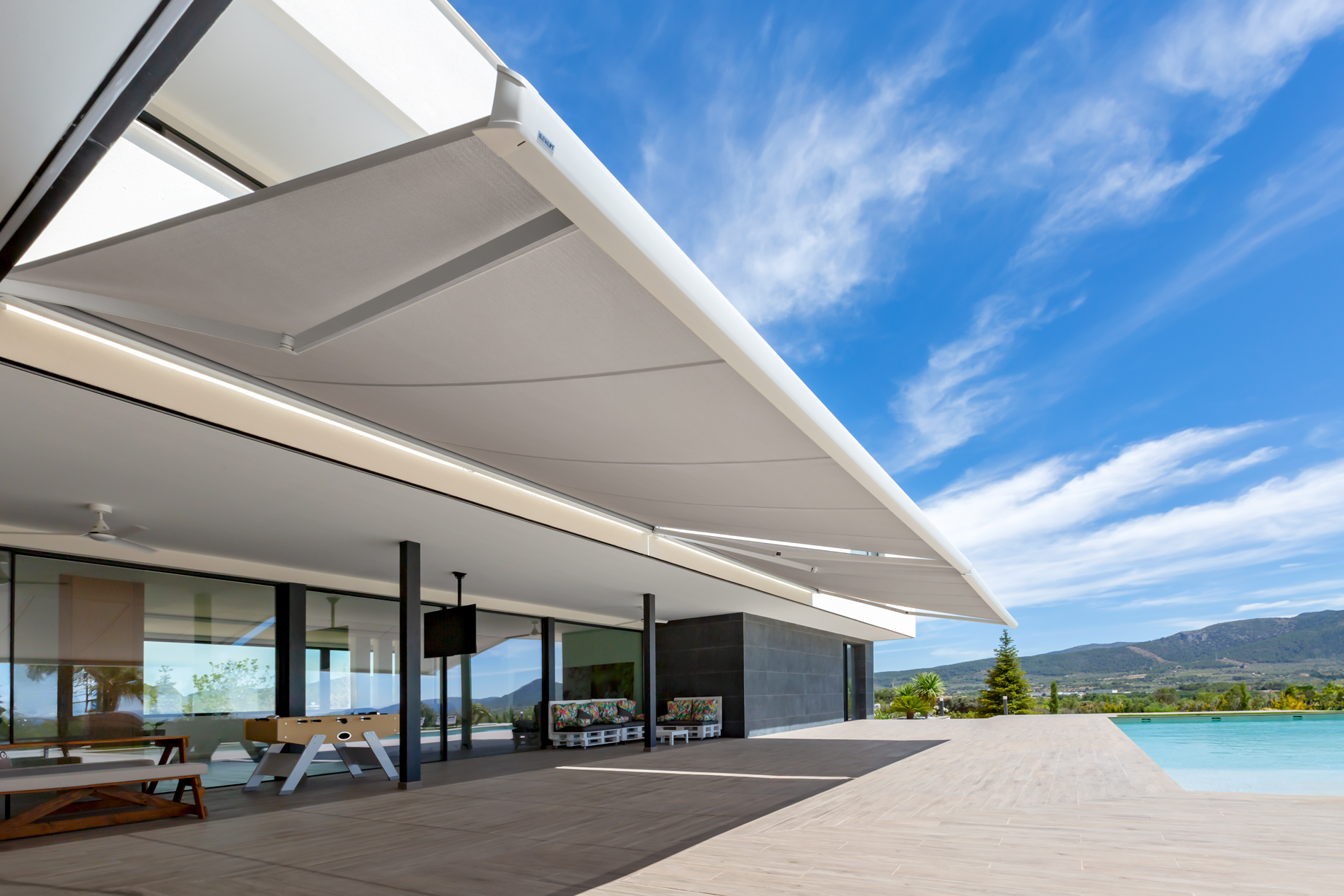
Awnings help to protect patios, balconies and windows by providing flexible and comfortable shade. They are a good way to enjoy the outdoors for longer, without the sun getting in the way.
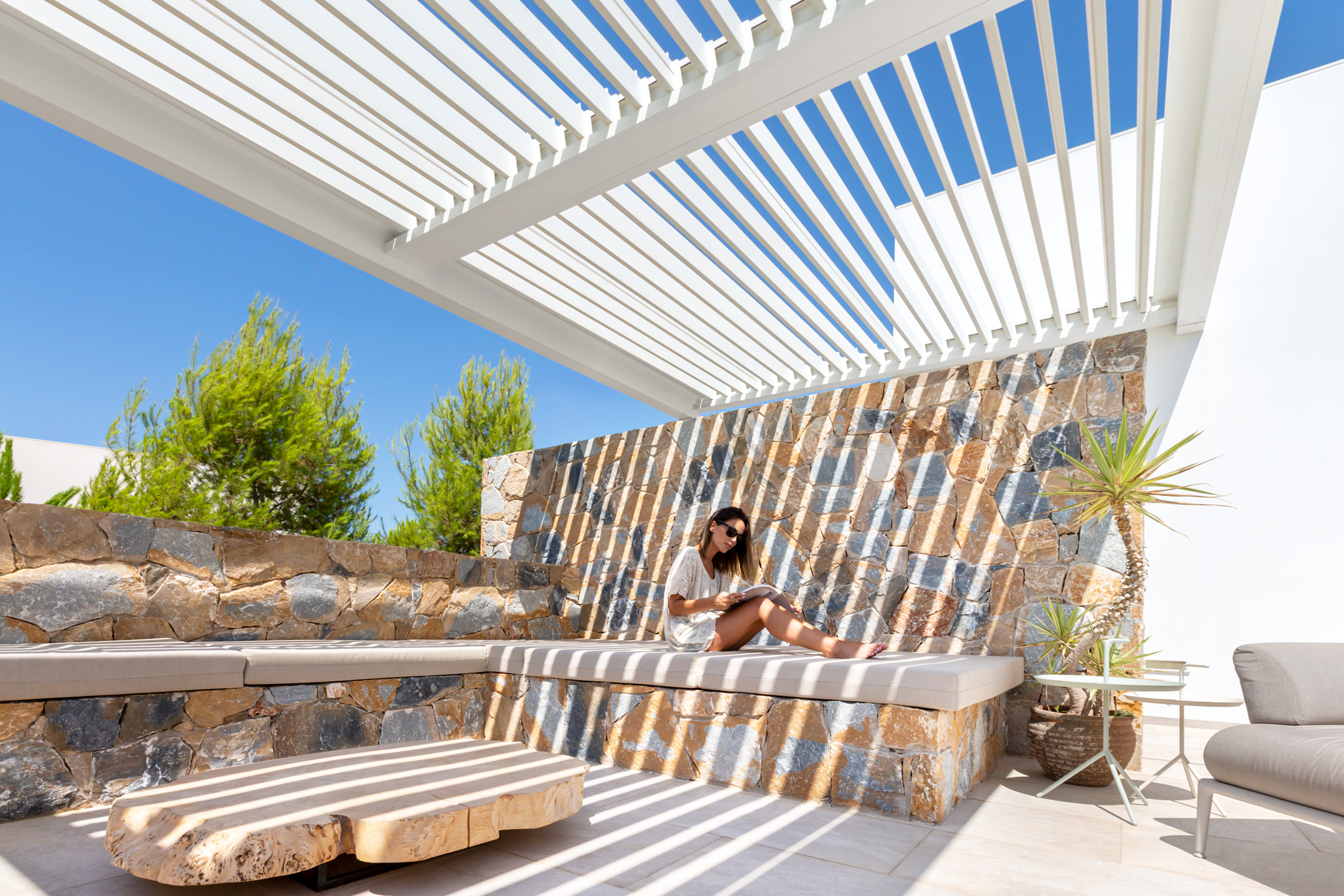
Pergolas allow you to create outdoor living spaces that can be enjoyed for more months of the year. In homes, hotels, restaurants and cafés, they transform terraces and gardens into much more versatile spaces.
Blinds and shutters provide control over light, privacy and indoor temperature. When used correctly, they help to keep your home cooler during the hottest parts of the day.
Curtains and blinds allow you to filter light indoors, reduce glare and create a more pleasant atmosphere without losing any brightness.
Lattices and shutters add sun protection, style and character to the façade. As well as providing shade, they help regulate the amount of light entering the building and enhance the connection between the interior and exterior.
Protecting yourself from the sun doesn’t mean giving up the light. It means learning to enjoy it more.
A good shading system allows you to enjoy the summer in greater comfort, reduce unnecessary use of air conditioning, and make homes, terraces, offices and businesses better equipped to cope with the heat.
Because when we control the light, the temperature changes. Our rest changes. The way we work, share a meal, read by a window or enjoy a terrace in the middle of the afternoon changes.
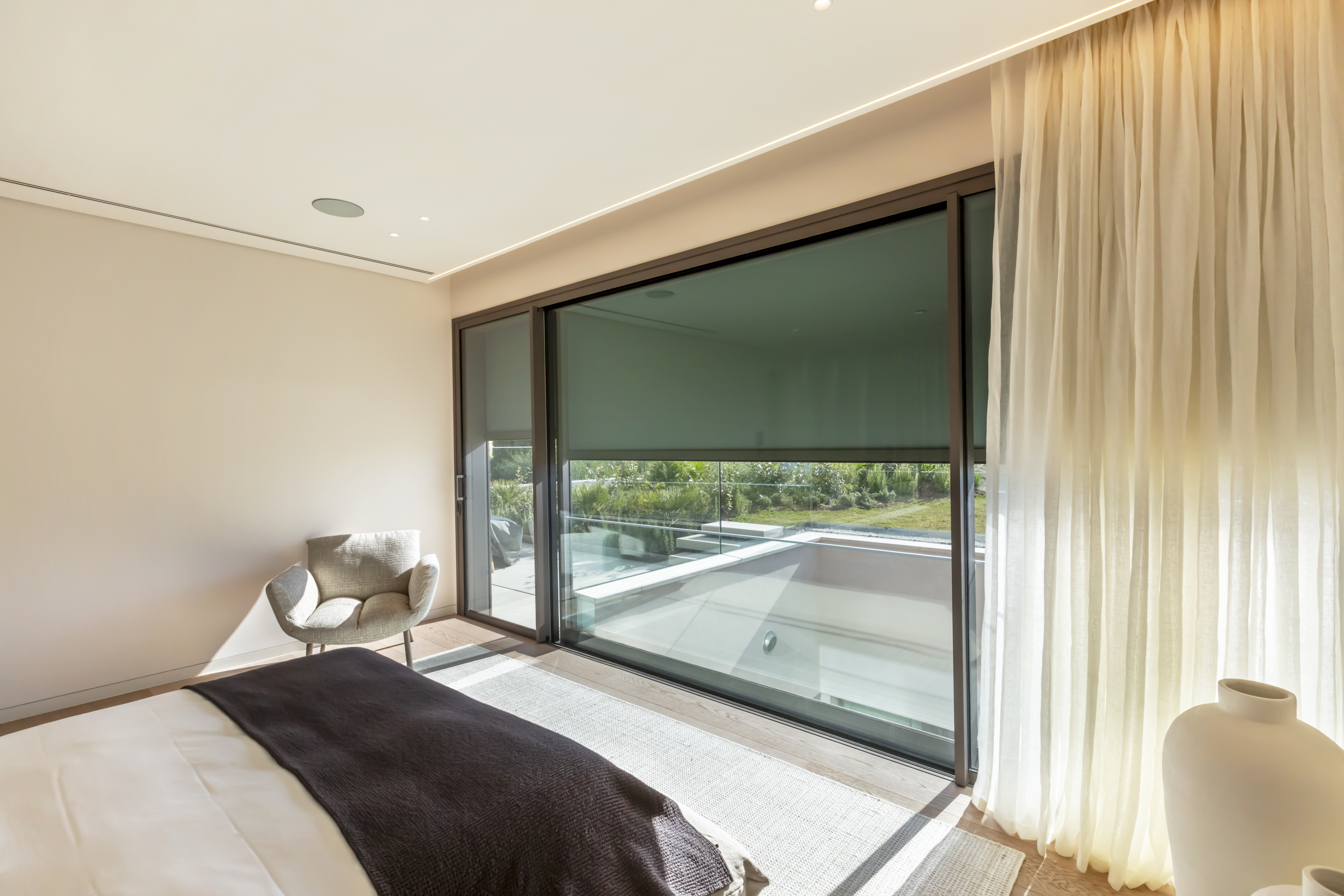
Sun protection in summer includes solutions such as awnings, shutters, pergolas, curtains, blinds and louvres, which help to control the amount of sunlight entering a space, reduce heat and improve comfort in both indoor and outdoor areas.
Yes. By reducing direct sunlight and preventing spaces from overheating, it can reduce the need for air conditioning. Its effectiveness will depend on the building’s orientation, the type of building, the system chosen and daily usage.
Saxun offers a range of awnings, pergolas, roller blinds, compact blinds, shutters, louvres, curtains and blinds. Each solution meets a different need: outdoor shade, light control, privacy, thermal comfort or façade design.
 You may also like
You may also like
You may also likeContact us, we will be happy to help you